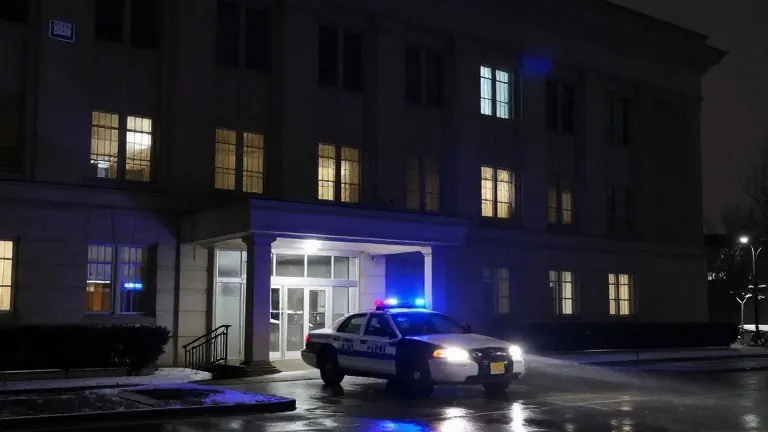
Chelsea Fire Department warns residents on lithium-ion battery risks
Officials cite recent fatal incidents in Boston and New York City to urge locals to change how they store and charge electric mobility devices.
By Jabari Dubois ·
The Chelsea Fire Department issued a directive on November 12, 2026, urging residents to treat lithium-ion battery safety with urgency. The department highlighted that these power sources drive common items like e-bikes, scooters, power tools, and laptops. Improper handling or defective units can trigger fires that threaten household safety.
Recent incidents in other cities underscore the danger. Firefighter Robert Kilduff died in the line of duty in Boston, and a residential fire in New York City claimed lives. These events serve as a warning for locals about the speed at which battery fires escalate.
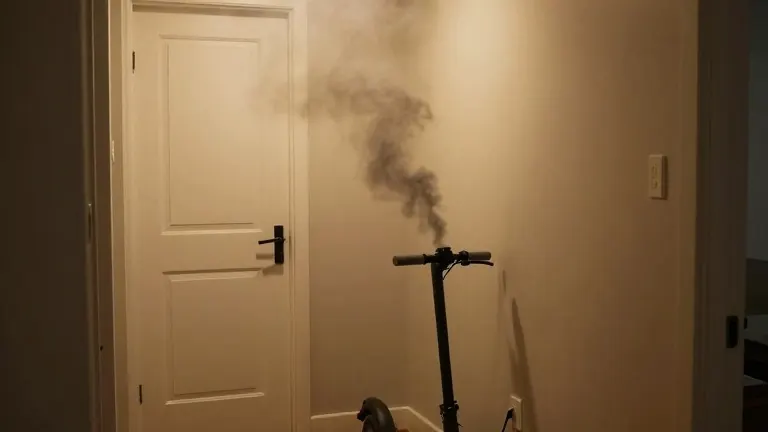
A failing battery undergoes a process called thermal runaway. This condition causes rapid overheating and the release of flammable gases. The reaction can ignite other cells, creating a chain reaction. The fire produces intense heat, toxic smoke, and sudden flames. Explosive bursts may eject burning materials, and the battery can reignite after the initial fire appears out.
The department advises residents to move charging stations away from living spaces. Charging devices in hallways, stairwells, or doorways can block escape routes. If a scooter or e-bike is near an exit, a fire could trap occupants. The fire department recommends using a designated spot that is away from combustible materials and exits.
Homeowners should use only manufacturer-approved chargers. Incompatible units can damage batteries and increase heat risks. Buyers should purchase devices and replacement batteries from reputable retailers. Look for independent safety certifications from recognized testing laboratories, such as UL. Avoid counterfeit, modified, or unusually inexpensive batteries.
Do not leave batteries charging unattended or while sleeping. Charge devices on a stable surface away from beds, couches, curtains, and paper. Inspect batteries regularly for swelling, cracks, leaks, or unusual odors. Stop using a device if it exhibits these signs. Damaged batteries should never be charged, crushed, or repaired at home.
Protect batteries from extreme temperatures and moisture. Do not leave them in hot or cold environments unless the device is designed for those conditions. Dispose of batteries through proper hazardous-waste programs, not household trash. Maintain working smoke alarms on every level of the home. If a battery begins smoking or burning, get everyone out and call 911 from a safe location. Do not carry a burning device outside.