Democratic Governors Face Challenges Implementing Emergency Energy Rate Freezes
Newly elected Democratic officials in several states are pursuing utility rate freezes, but energy experts warn the measures may conflict with market dynamics and face legal hurdles.
By News Media House Staff ·
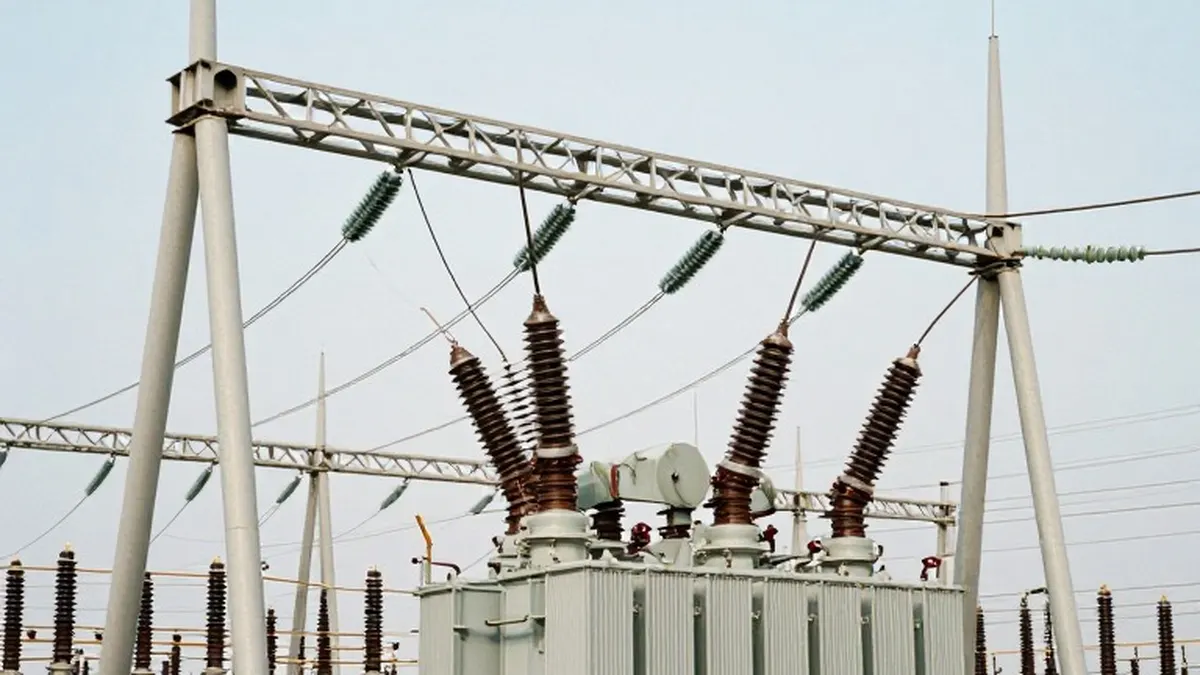
Governor-elect Gina Hinojosa of Texas is preparing to implement an emergency utility rate freeze, marking a significant shift toward left-leaning economic policy in the historically conservative state. This initiative has drawn scrutiny from industry experts who argue that the proposal may struggle to solve the ongoing affordability crisis. The move is part of a broader trend where Democratic-led states are considering similar interventions to stabilize energy costs for residents.
Hinojosa stated on the first day of her term that she intends to freeze residential electricity rates. However, critics caution that this approach clashes with Texas' uniquely competitive energy sector. There is concern that such price controls could inadvertently lead to energy shortages by disrupting the natural flow of the market. The proposal appears to be a fulfillment of a campaign promise made during the election trail.
Sam Romain, chairman of the free market group Americans for Energy Dominance, expressed skepticism about the feasibility of the plan. He noted that governors do not possess the unilateral power to simply freeze rates without considering broader economic principles. Romain emphasized that basic economics dictate that prices are determined by supply and demand, making a static rate difficult to maintain in a dynamic market.
Romain described the current Democratic approach as a price control scheme dressed up as an emergency response. He argued that freezing prices does not resolve underlying supply issues. Instead, he suggested that these measures may only delay the inevitable need to increase energy production. The expert warned that without addressing the supply side, price controls may prove ineffective in the long run.
This strategy is not isolated to Texas. Several other Democratic leaders are pursuing similar tactics. In Virginia, Governor Abigail Spanberger is demanding a six-year rate freeze as a major Florida company seeks to acquire the state's largest energy supplier. She has also called for a significant increase in monthly bill credits for consumers. In New Jersey, Governor Mikie Sherrill initially promised to declare a state of emergency to cap rates but has since shifted to using executive orders to implement a credit system that offsets electricity costs.
Other newly elected officials are adopting comparable measures. California Governor-elect Xavier Becerra has prioritized instituting a freeze on utility rates while the state investigates long-term solutions for cost control. In Wisconsin, Governor-elect David Crowley leads a legislature that has previously explored capping gas and electricity bills at a specific percentage of household income. Crowley has also proposed a fair deal plan that would cap annual rent increases. In Ohio, state leadership has proposed a 12-month freeze on utility rates as Amy Acton prepares to assume the governorship.
Romain argues that these proposals deliver a twofold blow to the energy sector. Beyond failing to expand supply, he believes they discourage new production by creating uncertainty for developers. When rates are frozen, companies may struggle to recoup their construction profit margins, leading to hesitation in building new infrastructure. This lack of new capacity could exacerbate future shortages.
Legal questions also surround these initiatives. In Texas, experts have noted that Hinojosa's planned use of an emergency declaration may face resistance. Nick Loris, president of the conservative coalition C3 Solutions, questioned the validity of using the Texas Disaster Act for this purpose. He suggested that courts and state policymakers may be skeptical that a high cost of living constitutes a disaster warranting the suspension of existing regulatory laws.
Despite expecting legal hurdles and policy stalls, Romain sees an opportunity for bipartisan cooperation. He believes that as Democrats grapple with the supply-side issues, they may seek common ground with Republicans on affordability strategies. He advocates for unleashing American innovation by allowing companies to build and compete freely. Permitting reform, which involves deregulating rules governing energy production, is highlighted as a key area for potential cooperation.
Romain expressed optimism that a significant permit reform package could be enacted quickly. He views the current political landscape as a massive opportunity to let American companies build the tools, generation sites, and power plants necessary to meet energy demands. This approach focuses on increasing supply through construction and competition rather than relying solely on administrative price controls.
Originally published by News Media House
More News · National news · Report a business · Got a Story?