Meta Chief AI Officer Posts Deepfake Video of Sam Altman on Instagram
Alexandr Wang shared an AI-generated clip featuring OpenAI CEO Sam Altman in a furry suit to promote Meta's new agent, a move that highlights the shifting norms around synthetic media on social platforms.
By News Media House Staff ·
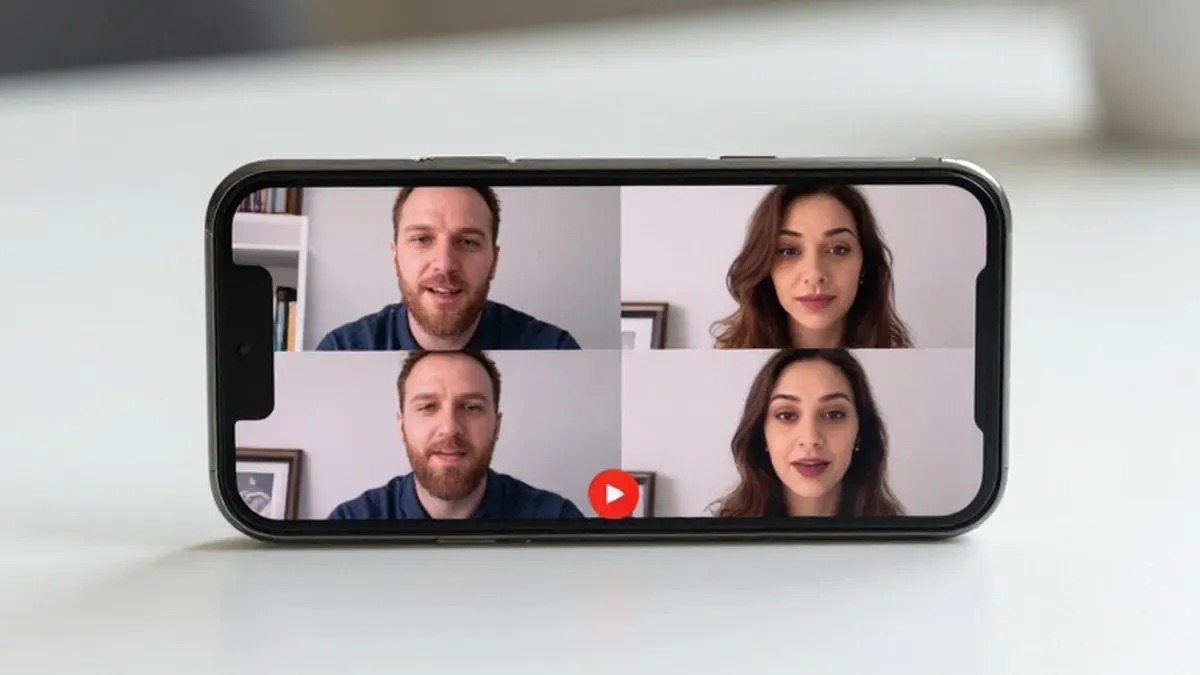
Social media platforms are increasingly populated by synthetic content, and the boundaries of what is acceptable are rapidly expanding. In a recent development, Meta’s chief AI officer, Alexandr Wang, shared a deepfaked video on Instagram that features one of the company’s most high-profile competitors. The post has sparked discussion about the evolving role of artificial intelligence in corporate marketing and public perception.
The video was shared earlier in November to promote Muse, Meta’s newly launched consumer AI agent. The clip depicts a four-way video call involving Wang, Meta CEO Mark Zuckerberg, OpenAI CEO Sam Altman, and Jolly, the anthropomorphic mascot for Muse. In the AI-generated footage, Altman appears dressed in a furry hooded suit with face paint, mimicking the appearance of the cutesy mascot Jolly. The post included a caption that read, “When the homies meet about openai product strategy,” a nod to the current competition among AI agents and the rising popularity of Muse.
This approach marks a significant shift from the reaction to AI content just a few years ago. At that time, synthetic media portraying real people often drew strong public criticism, and legal action was frequently threatened against creators. Today, however, AI-generated content has become a standard feature of the digital landscape, particularly on social media. The trend has been amplified in the political sphere, where groups have spent millions of dollars on AI-generated advertisements to attack opponents in the lead-up to midterm elections.
Wang has adopted a strategy that some observers have labeled “anti-PR” to build interest in Muse. He has tweeted hundreds of times about the product and used the term “corposlops” to describe more traditional marketing efforts. While this unconventional approach is part of his broader campaign, the specific act of a major tech executive posting an AI video of a rival executive is notable. It occurs on a platform that has faced recent scrutiny over its handling of synthetic media.
The timing of the post is significant given recent controversies involving AI-generated imagery of celebrities. In October, an AI-generated image of actress Mia Goth gained significant traction on Instagram. Her representative told The Verge that it was “incomprehensible” that the platform allowed the image to spread without better focusing on the protection of a public figure’s likeness. Other celebrities, such as Scarlett Johansson, have also been subjects of sexualized AI imagery, leading Meta to remove some accounts that were found to be posing as others and using their likenesses.
Meta’s current policies require that AI-generated videos depicting people be clearly labeled as such. Wang’s post adhered to this rule, carrying the appropriate disclosure. However, static images do not have the same mandatory labeling requirement. This distinction meant that the earlier AI image of Goth, which was shared by a fan account with a blue verification badge, lacked a formal AI disclosure, complicating the narrative around user expectations and platform responsibilities.
In response to questions about the post, Meta spokesperson Tracy Clayton noted that Wang’s video was correctly labeled as AI content. Clayton also highlighted that Altman has made his likeness available for AI content generation. This precedent was established when OpenAI launched its Sora app, which was quickly filled with videos featuring the OpenAI CEO. OpenAI did not respond to requests for comment regarding the specific incident on Instagram.
The situation illustrates the complex dynamic between tech companies and their competitors in the age of generative AI. As platforms integrate synthetic media more deeply into user experiences, the line between promotional content and personal likeness is becoming increasingly blurred. For now, the incident serves as a case study in how major executives are leveraging AI tools to engage audiences, even when those tools depict their rivals in humorous or unexpected contexts.
Originally published by News Media House
More News · National news · Report a business · Got a Story?