Trump drops Iran talks, orders Vance to target domestic corruption
The president reversed his stance after Democrats won the midterms, shifting the vice president away from Middle East diplomacy.
By Jabari Dubois ·
President Donald Trump stated on Thursday that the United States is no longer pursuing a deal with Iran. This announcement effectively removed Vice President JD Vance from the diplomatic front, as the administration previously positioned him as a key mediator in the conflict.
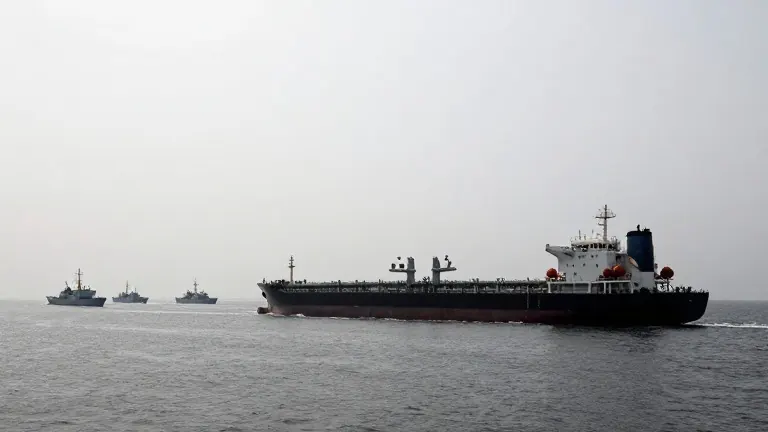
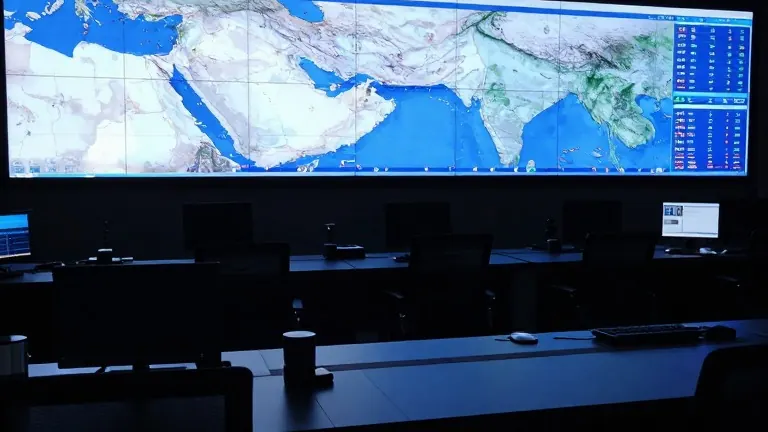
In a social media post, Trump wrote, "We don't need a deal with Iran. Those days have long since passed. We've got their money, Hundreds of Billions of Dollars, and we've got their Strait!" The comment referenced the Strait of Hormuz, a critical waterway where the U.S. and Iran currently maintain rival blockades.
The president shifted Vance's responsibilities immediately. Trump tasked the vice president with investigating what he called the "corrupt disasters" of areas governed by Democrats. "I have asked the Vice President to focus his complete and total attention on the Massive Corruption and Crime taking place," Trump wrote. This move came after Vance publicly blamed the war and Republican ties to Israel for the Democratic landslide in the November 3 midterm elections.
The reversal contradicted statements Trump made earlier in the week. He had previously noted "momentum" toward a political settlement with Tehran. The Wall Street Journal reported on Wednesday that Vance had initiated outreach to Iranian national security official Mohsen Rezaei with Trump's approval. Middle East Eye had earlier cited Turkish intelligence chief Ibrahim Kalin to suggest Qatar would host a meeting between the two officials, a plan Iran officially denied but Washington reportedly pushed for.
Secretary of State Marco Rubio said the U.S. feels no pressure to reach an agreement quickly because it believes it holds the advantage in the Strait of Hormuz. The sudden halt in negotiations has raised questions about internal alignment among the president's advisors.
Regional allies have reacted with caution. Anwar Gargash, a diplomatic advisor to UAE President Mohamed bin Zayed, said the region should prepare for a long period of uncertainty. In Sulaymaniyah, Iraq, Bafel Talabani, head of the Patriotic Union of Kurdistan party, urged continued dialogue. Talabani told a conference that the "mighty US can do it," noting his party's relationship with both Washington and Tehran.
More Politics · World news · Report a business · Got a Story?