Parliamentary committee hears legal tactics used to silence abuse survivors
Witnesses described strategic lawsuits and financial barriers as a primary method for perpetrators to suppress accounts of sexual violence in the UK.
By News Media House Staff ·
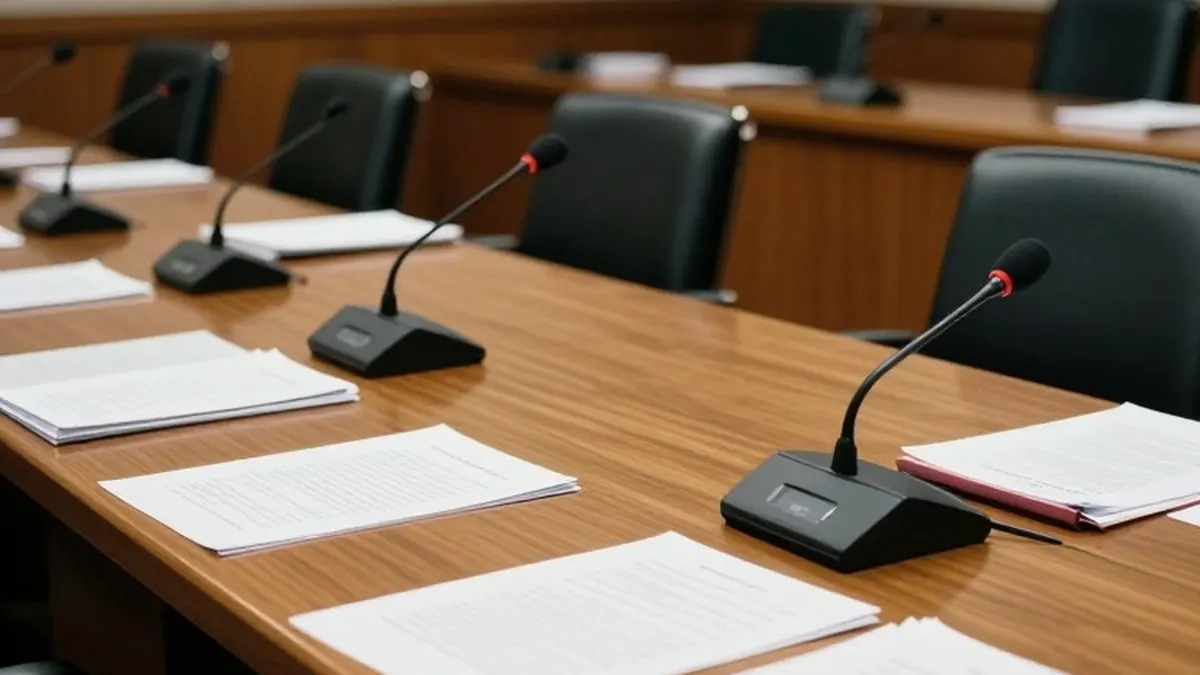
Members of the House of Commons justice committee have been informed that legal actions taken by alleged perpetrators of sexual abuse serve as a powerful tool for silencing victims. Described by witnesses as the ultimate form of gaslighting, these tactics include the use of strategic lawsuits against public participation, commonly known as Slapps, to intimidate survivors who speak out.
The session took place on Tuesday, following high-profile legal developments involving public figures. Verity Nevitt, co-founder of the survivor-led nonprofit Gemini Project, shared the experience of her and her sister, Lucy, who were sued by a man they had accused of sexual abuse and rape. Nevitt explained that these legal maneuvers replicate the loss of choice experienced during the assault itself, making the process particularly attractive to individuals who are coercive and controlling.
According to Nevitt, Slapps allow for a dramatic reversal of roles where the perpetrator is cast as the victim of wrongdoing while the survivor becomes the aggressor by being named a defendant. She noted that in the specific case brought against her and her sister, the truth of the allegations was secondary to the financial stakes. The sisters had reported the man to police, but after the case was dropped, they named him on social media to warn others, which triggered the lawsuit. They eventually reached an out-of-court settlement and waived their anonymity to discuss the matter.
The financial burden of such litigation was a central theme of the testimony. Nevitt recalled that after the first hearing, their solicitor informed them that they would need to secure 100,000 pounds to proceed to the next stage. This detail highlighted the significant costs that survivors face when defending themselves in court.
Jennifer Robinson, a barrister and co-author of the book Silenced Women, argued that the chilling effect of these costs extends beyond the women involved. She stated that journalists and newspapers also become less willing to report on these stories due to the risk of legal action. Robinson emphasized that the ability to discuss violence against women is essential for tackling the crisis in society.
Harriet Wistrich, chief executive of the Centre for Women’s Justice, supported the need for structural changes. She presented a strong argument for implementing very severe cost capping in cases involving Slapps to protect those speaking out on matters of public interest.
Rupert Cowper-Coles, a partner at RPC solicitors, pointed out that the United Kingdom remains a major outlier among Western democracies regarding its legal framework. He noted that the country lacks a general anti-Slapp law, relying instead on legislation that only covers disclosures related to economic crime.
Robinson challenged this legislative gap, questioning why the protection of public interest speech is prioritized for economic crimes rather than crimes against women. She argued that the current system fails to adequately support survivors during a time when society is grappling with a widespread crisis of violence against women.
Originally published by News Media House