Tesla profits shrink as heavy spending outpaces revenue growth
The electric vehicle maker reported stable sales but a sharp drop in operating income, citing increased investment in artificial intelligence and new hardware.
By Adrian Salazar ·
Tesla’s third-quarter financial report reveals a company balancing steady sales against a significant contraction in profitability.
The electric vehicle manufacturer released its results for the third quarter of 2026 after the market close on Tuesday. Total revenue remained essentially flat at $28.05 billion, matching the $28.1 billion recorded in the same period last year. While non-GAAP earnings per share came in at $0.48, a figure that exceeded the $0.45 expected by analysts, it still represented a four percent decline from the previous year. This performance marks a modest improvement from the second quarter, when margins were under severe pressure, but the broader trend of shrinking profits continues.
The decline in operating income was the most striking aspect of the report. Tesla’s operating income fell by 56 percent year-over-year to $718 million, resulting in an operating margin of 2.6 percent. This is a sharp decrease from the 5.8 percent margin posted a year earlier. On a GAAP basis, net income dropped 43 percent to $787 million. The primary driver of this reduction was a surge in operating expenses, which rose 39 percent to $4.78 billion. Research and development costs alone jumped 69 percent to $2.76 billion as the company ramps up spending on its "Super Intelligence" initiative, the Optimus robot, and the Cybercab vehicle.
Automotive gross margin excluding regulatory credits improved to 18.1 percent, up from 16.3 percent in the second quarter and 15.4 percent a year ago. Tesla attributed this improvement to a better product mix and increased revenue from Full Self-Driving subscriptions, although average selling prices continued to decline. However, the segment that traditionally provided a buffer, regulatory credits, contributed only $113 million, down 73 percent from the previous year. Meanwhile, the energy business saw revenue fall 16 percent to $2.88 billion due to tariff-related refunds, even as storage deployments increased by 10 percent.
Management indicated that battery availability, rather than consumer demand, was the primary constraint on vehicle production this quarter. Tesla reported the largest backlog for its passenger vehicles in four years. Despite this, deliveries dropped 2.1 percent year-over-year, and the company delivered 22,141 more vehicles than it produced, reducing inventory to 11 days of supply. The company also highlighted growth in its services segment, which saw revenue rise 33 percent to $4.61 billion and achieved record gross profit.
A significant open question surrounds the company’s capital expenditure plans. Tesla spent $4.73 billion on capital projects this quarter, more than double the amount spent a year ago. Through the first nine months of 2026, total capital spending has reached $13.01 billion, which is only half of the "more than $25 billion" guided for the full year. To meet that target, the company would need to spend approximately $12 billion in the fourth quarter alone, a level of spending that would be more than double its highest previous quarter. Since the quarterly letter did not revise the guidance, the discrepancy suggests either a massive final push in spending or a potential slip of the 2026 plan into 2027.
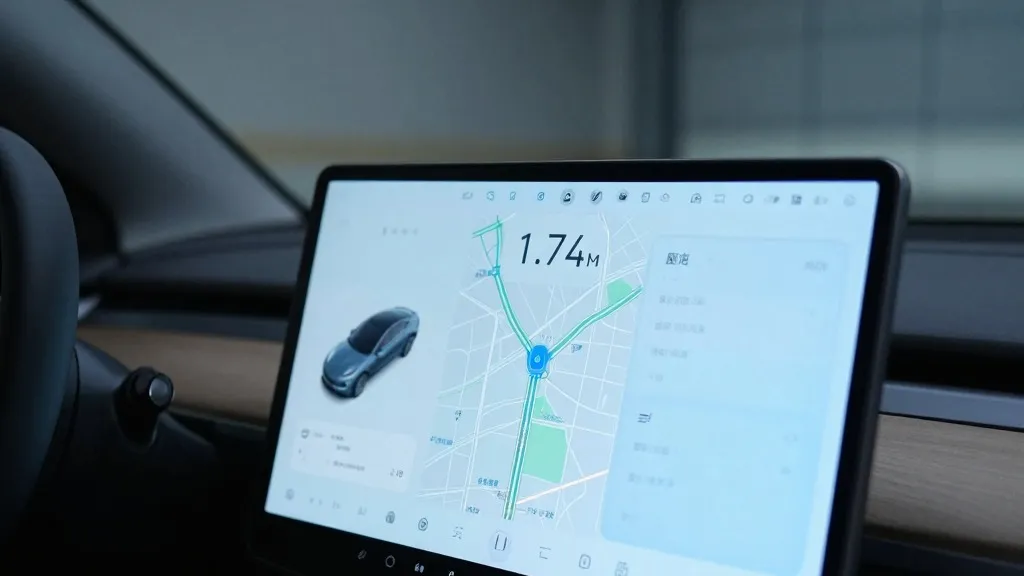
The company also provided updates on its autonomy efforts, noting that active Full Self-Driving subscriptions reached 1.74 million, a 67 percent increase. The Robotaxi service accumulated nearly two million unsupervised miles by the end of the quarter. Management will discuss these results and future outlook in an earnings call scheduled for 5:30 p.m. ET.
More Business · Scam Watch · Report a business · Got a Story?