Warhound launches with $200M for engineered service dogs
A new biotech firm aims to solve the U.S. military's working dog shortage by combining genetic editing with high-tech gear.
By Jabari Dubois ·
Warhound, a new venture backed by $200 million in fresh capital, has officially launched with a plan to genetically engineer war dogs for the U.S. military and law enforcement. The company, which emerged from stealth mode this week, secured its funding from a group of investors that includes Sequoia, 8VC, Corner Ventures, and In-Q-Tel, a venture firm supported by the CIA and other U.S. intelligence agencies. This investment values the startup at $1.2 billion.
The core problem Warhound intends to address is a shrinking supply of capable working dogs. According to the company's launch announcement, over 80% of the U.S. military's current working dogs are imported from Europe, and fewer than half of those imported animals are deemed fit for service. This reliance on foreign sources creates a vulnerability in a sector where dogs play a critical role in bomb detection, searches, and other hazardous operations.
The project was conceived by Ben Lamm of Colossal Biosciences and Palmer Luckey of Anduril. Lamm noted that he first met Luckey at a conference a year ago, where the Anduril founder expressed concern about the state of military working dogs. Following that meeting, Lamm investigated how these dogs are bred and discovered that many fail during training due to inherited issues such as poor eyesight, hip dysplasia, muscle atrophy, or a high susceptibility to cancer.
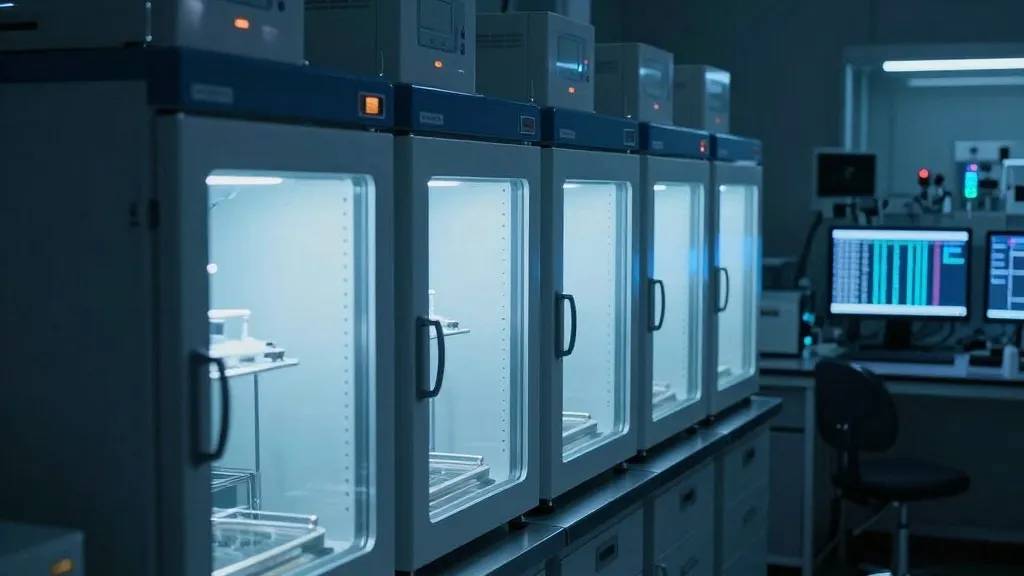
To fix these biological limitations, Warhound is leveraging technology from Colossal, a company known for its de-extinction work on animals like the mammoth. The team has collected cell lines from top-performing breeds, specifically the Belgian Malinois and the German Shepherd, and placed them in a biobank. Their process involves editing these genes to remove traits that cause health problems while adding those that enhance speed, agility, and olfactory senses for tasks like bomb sniffing.
While Colossal handles the biology, Anduril is responsible for the hardware and software side of the operation. The tech company will provide equipment such as protection vests and goggles designed to improve situational awareness. Lamm described the gear as adding capabilities "on top of the dog, not in the dog," citing examples like bulletproof vests equipped with data sensors that relay real-time information to handlers. This technology aims to make the dogs safer and more effective in the field.
Luckey serves as a partner in the venture but does not hold equity, while Colossal owns a stake and licenses its technology to the business. The actual cloning of the first batch of dogs is imminent, with births expected in early 2027. Viagen, another company owned by Colossal, will partner with Warhound to perform the cloning, utilizing its technology which boasts a high success rate for preserving endangered species.
The company has not yet set a price for these enhanced animals but expects to sell to the Department of Defense, police forces, and other first responders. Lamm stated that the team has already briefed various government groups on the project. Each dog will undergo standard military working dog training and be managed by the purchasing agency, ensuring they are integrated into existing operational frameworks.
To address concerns about animal welfare, Warhound is working under the guidance of the American Humane Society to certify its training program. The society also hopes to facilitate the retirement of these dogs through its Military Working Dog Reunification Program, which helps find homes for retired service animals. The American Humane Society welcomed the collaboration, stating they look forward to working with the teams to ensure the animals are treated humanely.
If the timeline holds, the first of these genetically edited and tech-equipped dogs could enter service within two years. This would mark a significant shift in how the U.S. procures its working animals, moving from a model dependent on international breeding to a domestic, tech-driven approach.